

The Italy I See on the Ground vs. The Italy Often Sold Abroad
There is the Italy people imagine before they arrive.
Then there is the Italy they eventually encounter once daily life begins.
Over the years, I’ve noticed that the gap between those two versions can sometimes be surprisingly wide.
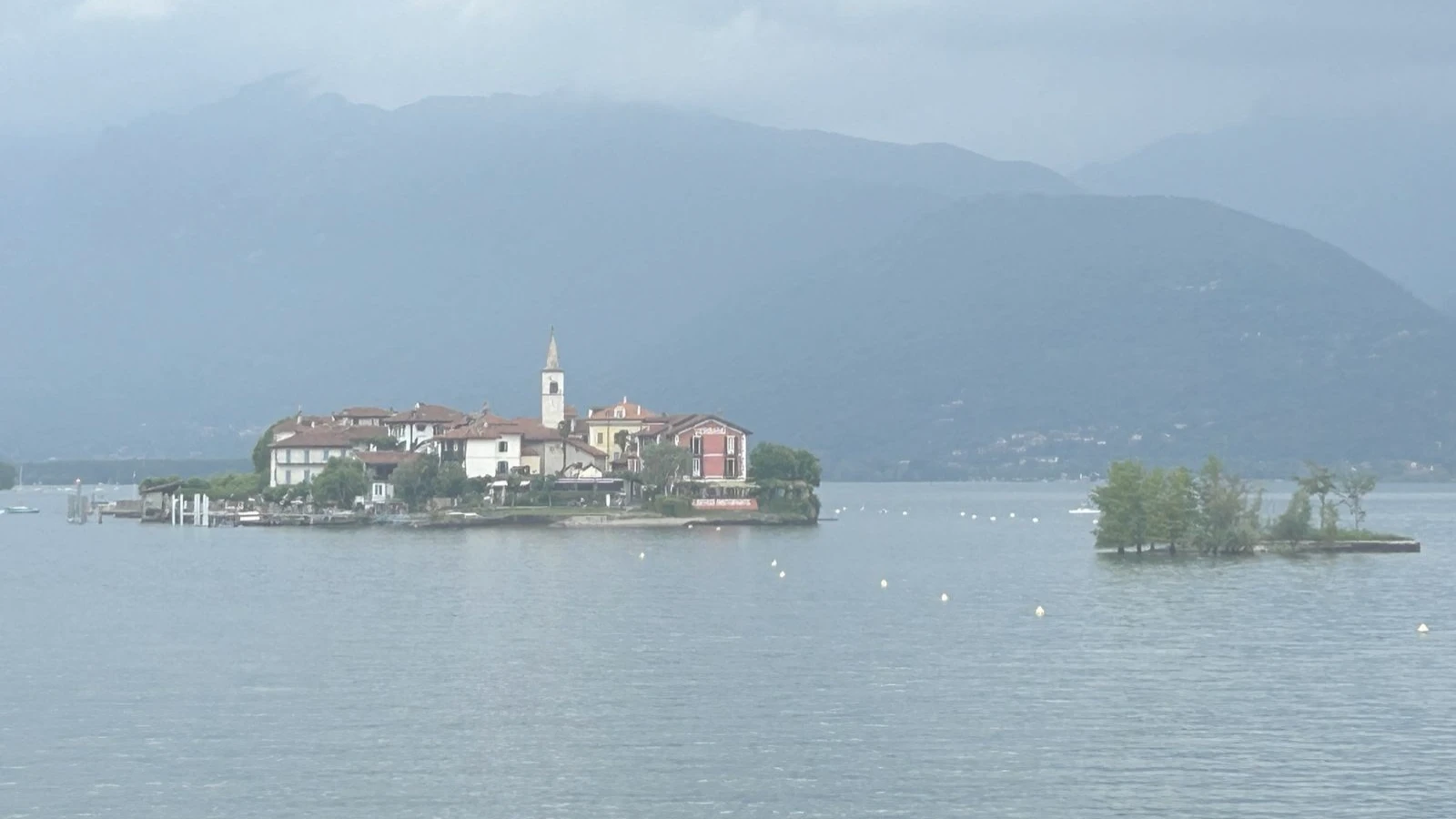
Part of this comes from the way Italy is presented internationally. Much of the online conversation revolves around vineyards, small towns, leisurely lunches, quiet piazzas, and the idea of “il dolce far niente.” It creates an appealing image, and to be fair, parts of that Italy absolutely exist.
But they are not the full story.
In reality, Italy is also a country dealing with demographic pressure, labor shortages, rising housing costs, transportation challenges, and major regional economic differences. Like most places, it is more layered and more contradictory than the marketing version.
And honestly, that is part of what makes it interesting.
Italy Beyond the Romanticized Image
One of the biggest shifts happening right now is demographic. Italy’s aging population is creating enormous pressure on the care sector. Estimates suggest the country could require more than two million domestic workers, caregivers, and home assistants within the next few years.
At the same time, sectors tied to Made in Italy industries such as fashion, tourism, manufacturing, food production, and design are struggling to find skilled workers despite continued global demand.
So while many conversations abroad focus on retirement lifestyles, Italy itself is increasingly focused on workforce sustainability.
Why Location Matters When Moving to Italy
I also find that many foreigners underestimate how different life can feel depending on where they settle.
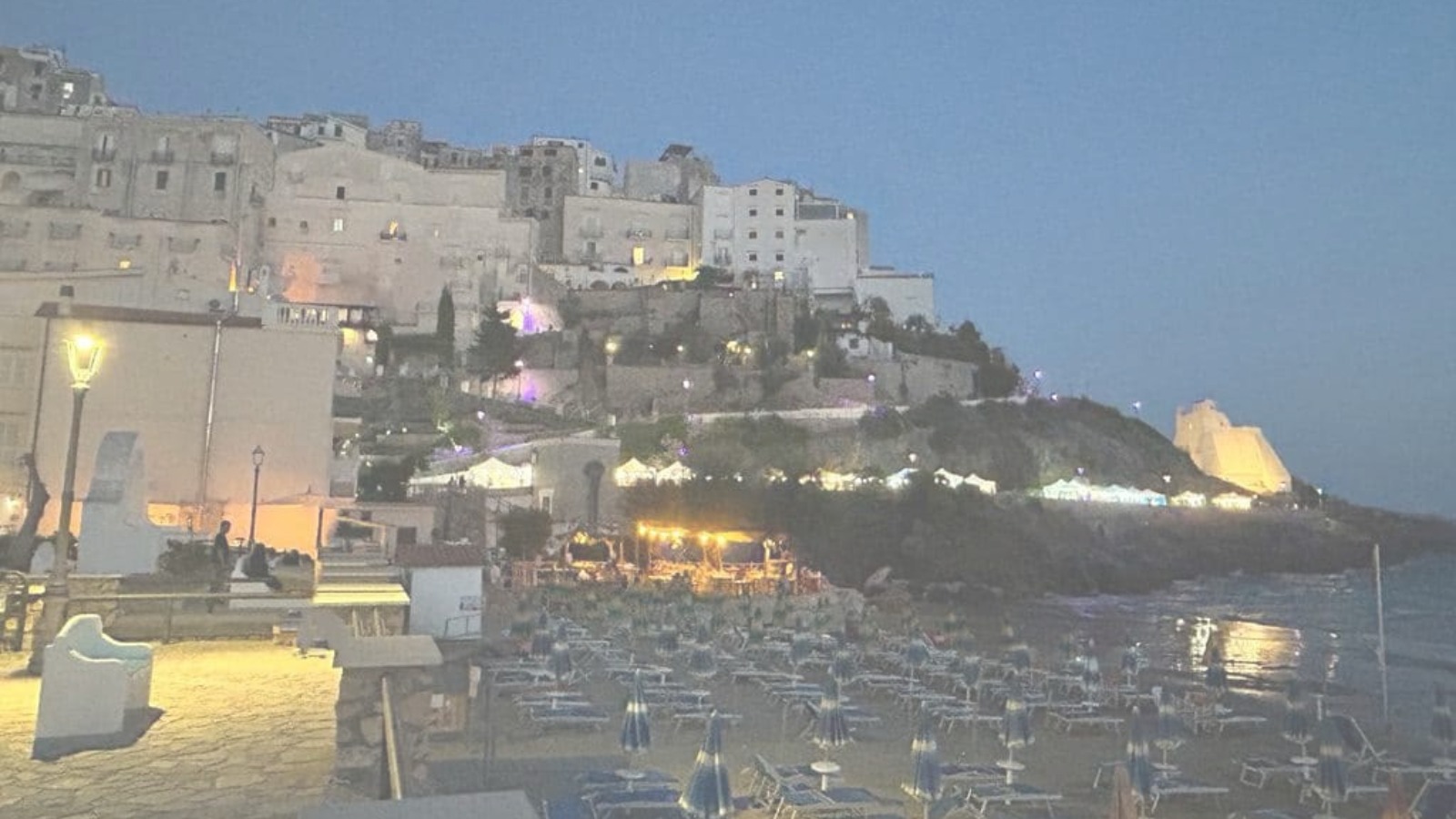
A small town in Puglia functions very differently from Milan. Rome operates differently from Florence. Gaeta, where I spend part of my time, feels worlds apart from the pace of daily life in the capital.
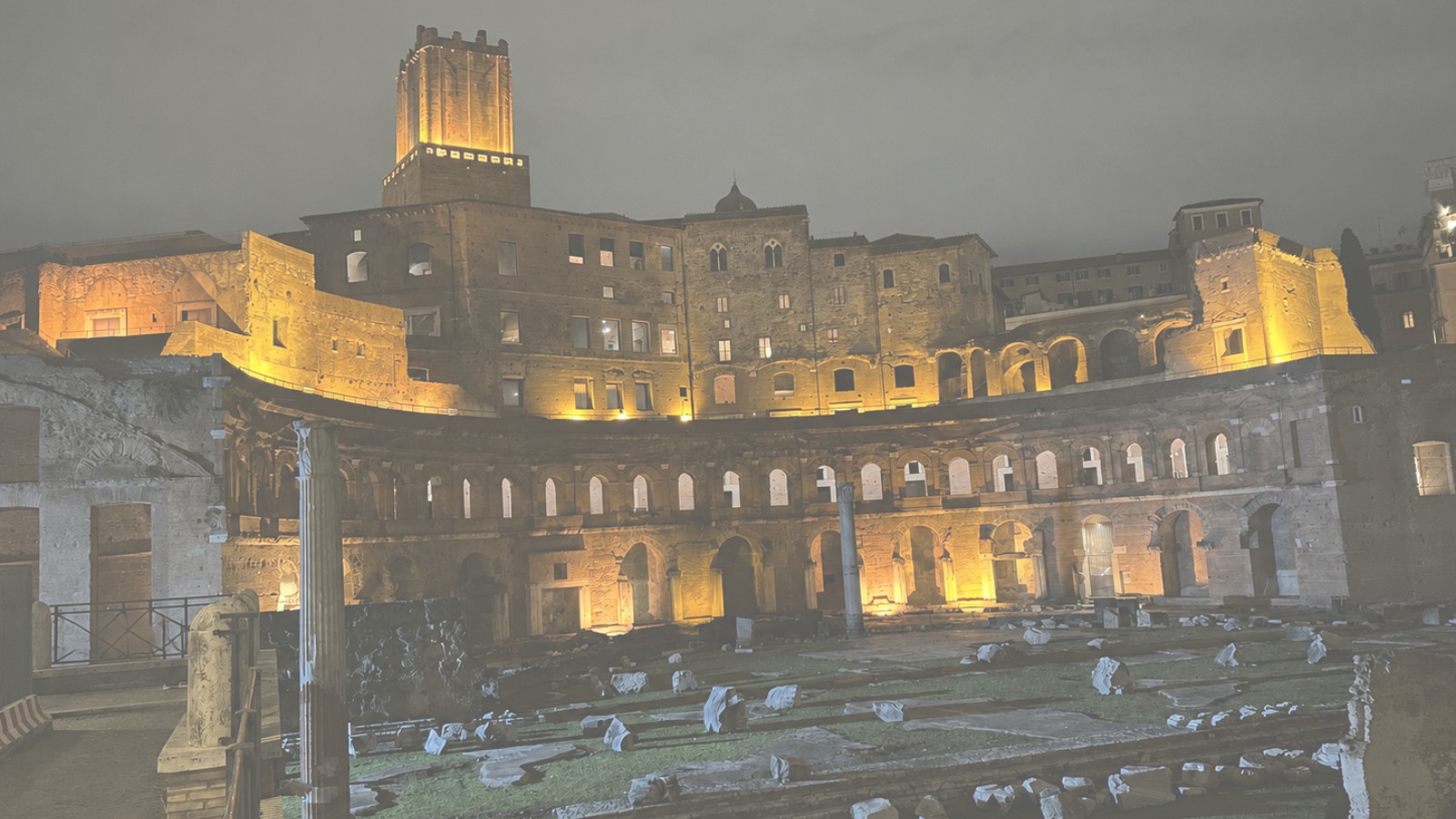
In Rome, most people I know leave early, commute long hours, and return home exhausted in the evening. The romanticized “passeggiata” lifestyle is not necessarily the everyday reality for professionals living in large urban centers.
This distinction matters because relocation decisions in Italy are often shaped by highly curated content online.
Research Is Useful, But Action Matters More
Many people researching Italy consume endless webinars, relocation videos, and social media posts. But eventually, information becomes a substitute for action.
At a certain point, the fundamentals are already clear: understand your immigration pathway, define your financial reality, assess your housing budget properly, and speak to qualified professionals where necessary.
The real progress usually starts after the research phase ends.
Housing Expectations vs. Real Market Conditions
Housing is another area where expectations and reality frequently diverge.
In corporate relocations especially, I often see rental budgets based on generalized international reports rather than actual market conditions inside first-tier Italian cities.
This creates immediate stress for assignees arriving in Milan or Rome expecting far more purchasing power than their package realistically allows.
Is Italy Really Affordable?
And then there is the affordability conversation.
Yes, Italy can appear less expensive compared to cities like New York, London, or Singapore. But affordability is always relative to local salaries, taxation, and opportunity structures.
Milan may look inexpensive from the outside, but that does not necessarily mean it feels inexpensive to people earning within the Italian economy itself.
The Advantages of Daily Life in Italy
Some surprises work in Italy’s favor, though.
Mobile phone plans remain remarkably affordable compared to many countries. Public healthcare, despite its pressures and regional inconsistencies, still provides enormous value relative to cost.
Daily life can still feel socially rich in ways many people from more individualistic societies immediately notice.
The Structural Challenges People Often Ignore
But Italy also carries structural challenges that are becoming harder to ignore.
Public transport usage remains among the lowest in Europe, private cars still dominate mobility, and millions of people now face what is increasingly described as “transport poverty,” where access to reliable movement itself becomes economically difficult.
Female workforce participation also continues to lag significantly behind much of Europe despite gradual improvement.
These realities rarely appear in relocation fantasy content. Yet they shape everyday life in meaningful ways.
Relocation Incentives Do Not Replace Immigration Law
Even government incentives designed to attract people into depopulated towns often create confusion internationally.
Many assume that financial incentives somehow bypass immigration law. They do not.
Non-EU citizens still require visas, residency authorization, and compliance with immigration procedures regardless of local incentives being offered.
The Italy Worth Building a Life In
The more years I spend here, the more I realize that Italy rewards people who approach it with clarity rather than projection.
The country can offer an extraordinary quality of life. But usually not in the simplistic way it is marketed abroad.
And maybe that is the real point.
The Italy worth building a life in is often not the postcard version. It is the more complex, imperfect, deeply human version underneath it.